Seasons change from fall to winter and what comes with it isn’t only snow and less sunlight. Each year 5% of the U.S. population, or approximately 17 million people according to mhanational.org, are affected by Seasonal Affective Disorder (SAD), or what many people know as “seasonal depression”.
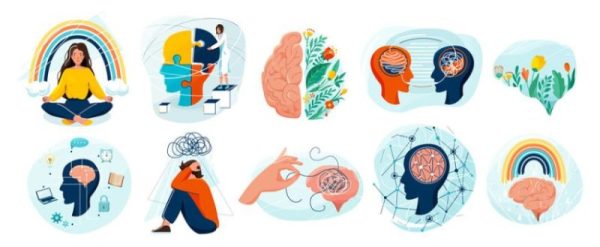
What is Seasonal Affective Disorder? SAD is a type of depression that occurs during certain times of the year, most often in the fall or winter. The reduced sunlight in the winter months is thought to set off a chemical change in the brain, affecting the individual’s serotonin levels, which is a neurotransmitter that affects a person’s mood.
The “happy chemical”, serotonin, is a crucial neurotransmitter and hormone that carries messages between nerve cells, which influences mood, sleep, appetite, digestion, learning, and memory. Serotonin has an integral physiological role in the human body, and when the chemical is imbalanced, it can lead to symptoms like anxiety, irritability, fatigue, sleep problems, insomnia, digestive issues, and memory problems, which are all symptoms of depression.
The change in seasons can also disrupt the balance of the body’s melatonin levels, which plays a role in sleep patterns and mood. Melatonin is a hormone that regulates sleep, signaling it’s time to sleep as darkness falls. Because the body naturally makes more melatonin when it’s dark, more melatonin is made when the days are shorter and darker.
The last main component of SAD is the body’s biological clock, or circadian rhythm. The reduced level of sunlight in fall and winter may cause SAD because the decrease in sunlight disrupts the body’s internal clock and leads to feelings of depression.
Mrs Butina, the Intersight Bridges counselor at Greater Latrobe, knows SAD better than most. She states, “In a caseload of kids that I see, 2 or 3 out of 20, I would say, have the actual diagnosis. There’s also the seasonal depression blues that people get, which is pretty normal. I would say, a half to three-fourths of the people by the time March/April hits, have developed some type of the blues and some just general sadness because of seasonal depression.”
Seasonal depression is more common in adults, but it can also affect teenagers as well, as Mrs. Butina explains. It is estimated that millions of Americans experience SAD, and many of these people may not know they have this common disorder. SAD begins in early adulthood and increases with age, peaking at ages 18-30. This condition is also more common in women than men, but studies are unsure as to why. It could potentially be due to complex interactions between hormones like estrogen’s effect on serotonin and melatonin, genetic predispositions, and biological rhythms with women experiencing greater hormonal shifts during cycles and life stages, disrupting mood-regulating brain chemicals more profoundly than in men, although the exact mechanisms still need more research.
So how do we prevent or treat this condition?
- “First of all, make sure you’re getting enough sleep, but not too much sleep.
- Make sure you’re eating healthy meals, because we can tend to go into groundhog mode where we sit on the couch and we just want to eat chips, popcorn, candy, and whatever else, which can definitely affect your mood and your health.
- Exercise is one of the most beneficial things that you can do to fight the blues or actual seasonal affective disorder. Working out helps your serotonin levels, the happy juice in your brain. So your basics of taking care of yourself,” said Mrs. Butina.
Sleep is a crucial part of your brain chemistry because poor sleep may create difficulties regulating emotions that, in turn, may leave people more vulnerable to SAD in the future. Going to sleep earlier and waking up earlier can significantly improve overall mood throughout the day. When students go to sleep super late then wake up 20 minutes before they have to leave, it will leave them tired and feeling rushed in the mornings, decreasing their mood. So, waking up early and being productive in the morning, along with getting a good night’s sleep, can leave a person feeling more prepared for the day and improve mood and energy levels.
Eating habits also make a big impact on mental health as well. The brain gets fuel off of what is consumed throughout the day and when not eating good, it will affect brain function, cause inflammation, and gut health issues. To keep a clean diet, try cutting out anything high in refined sugar for example. In addition to refined sugars worsening the body’s regulation of insulin, they also promote inflammation and oxidative stress. Multiple studies have found a correlation between a diet high in refined sugars and impaired brain function and even a worsening of symptoms of mood disorders, such as depression.
Exercise can also help improve mood and treat SAD because working out distracts the brain from negative thoughts, almost as if the workout is a natural antidepressant and anti anxiety treatment itself. When working out, the brain releases mood lifting endorphins. These endorphins reduce stress and anxiety and enhance cognitive function through neural growth. Doing physical activities can also create motivation to do other things and help grow your confidence overall.
A few other tips to help prevent or treat seasonal depression is getting exposure to light. Whether its being outside, or by a window with the sun shining in, or even getting a comforting yellow light to make the room seem more comfy and less “hospital like”. Do things that make you feel better. Going to a movie, gardening, or taking part in religious, social, or other activities may help. Doing something nice for someone else can also help you feel better. Set realistic goals in light of the depression. Don’t take on too much. Break large tasks into small ones, set priorities, and do what you can as you can.
Overall, seasonal depression is a very real thing for many people of all ages. Although it is hard, there are things to do to make things easier for yourself. Don’t be afraid to get help. If you think you may be depressed, see a healthcare provider as soon as possible. Remember to take it one step at a time because you’re not going to snap out of a depression, but you will feel a little bit better day by day.