Greater Latrobe Senior High School offers students many opportunities to explore potential career paths before graduating. One of those opportunities is the Foreign Language in the Elementary School (FLES) program, a class that allows high school students to step into the role of a teacher and gain real classroom experience. Through the program, students design their own lessons in Spanish and travel to elementary schools to teach them to younger students.
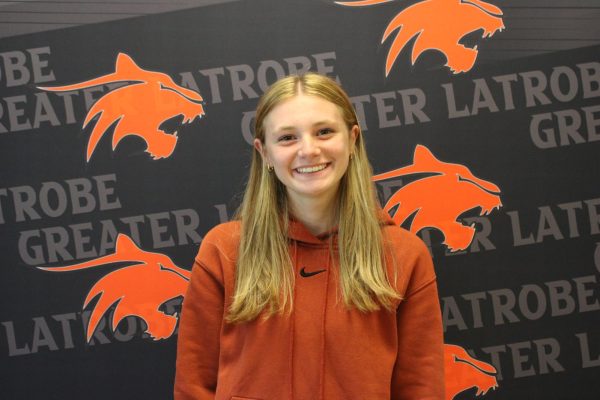
For junior Gabby Amatucci, the class has become much more than just another elective. It has helped confirm her future career.

Amatucci enrolled in the class to see whether teaching was truly a career she wanted to pursue. “I decided to take the class just to see if it was actually the path I wanted to go down in life,” she said. “I wanted to find out if I actually wanted to be a teacher or if it was something I wasn’t going to enjoy.”
After spending time teaching elementary students, she says the experience has only strengthened her interest in the profession. “I want to be an elementary school teacher,” she said. “Hopefully, in the Greater Latrobe district. My favorite grades are first through fourth grade because I feel like they are so much more well-behaved than the other grades. I still really enjoy kindergarten and fifth and sixth, but first through third is really the sweet spot for me.”
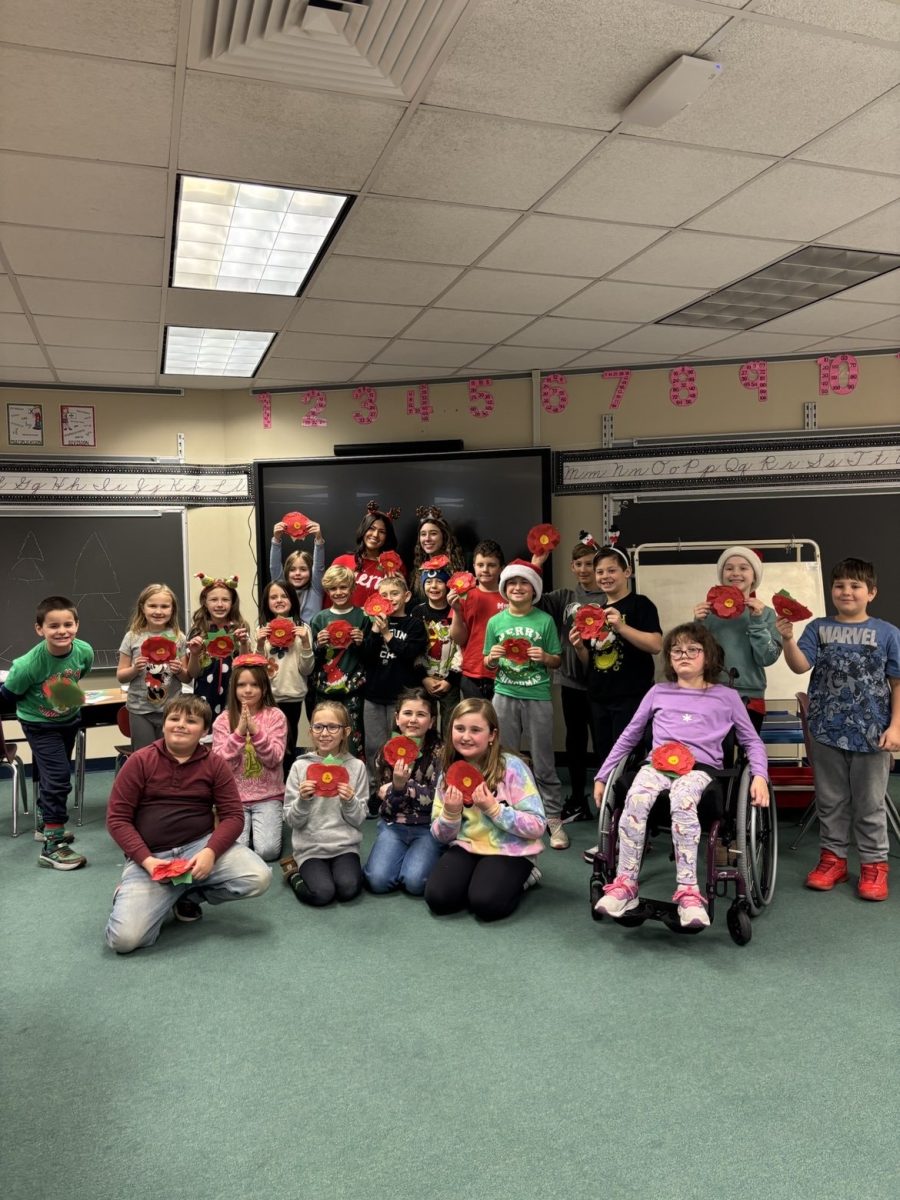
The FLES program gives students the chance to learn how to build lessons, teach material, and interact with younger students in a real classroom setting. High school students partner up and visit elementary classrooms several times throughout the semester.
According to Amatucci, the class helps students understand not only what to teach, but how to teach it. “FLES really sets you up to know how to teach, what to teach, and how to do it,” she said. “We get to pick our lessons, and we have three formal lessons. The ones we get to choose are more flexible, where we can pick the subject while still teaching it in Spanish.”
Amatucci works alongside her teaching partner, Madi Balko, to plan and present lessons. Together, they create presentations, vocabulary sheets, and classroom activities designed to keep elementary students engaged. “We decide what we want to do, and then we make a slide show using Canva,” Amatucci explained. “We create a vocabulary sheet and make slides so the students can learn how to pronounce the words in Spanish.” (hoping to get a quote from Madi if possible)
Preparation is an important part of the process. She said they usually plan several activities for each class to make sure they are ready for anything. “We try to do three to four activities every class,” she said. “We usually don’t get to all of them, but our teachers tell us it’s better to over-prepare rather than under-prepare.”
Some of their favorite lessons involve teaching students everyday vocabulary they can remember easily. “Our favorite lessons to teach are definitely colors, numbers, and animals,” said Amatucci.
In addition to those lessons, the class also requires formal presentations, including storytelling activities, TPRS, and
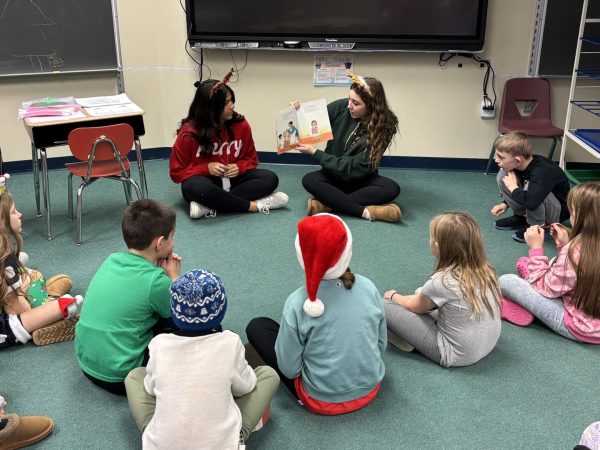
cultural lessons. One activity involves creating and acting out a story in Spanish for the students.
While the lesson planning can be challenging, Amatucci says the experience of visiting elementary schools makes the hard work worth it. “Going into elementary schools is so much fun,” she said. “We have so much freedom. We get to drive there by ourselves and walk into the school. It makes you feel really mature.”
Once they arrive, the high school students quickly realize the impact they have on the younger children. “You’re such a role model for the kids,” she said. “You’ll see them in the hallways, and they’re so excited to say hi to you.”
She added that the elementary teachers are also welcoming and supportive. “The teachers are always so kind and welcoming,” she said. “It’s just a really rewarding experience.”
The excitement from the elementary students often makes the experience even more memorable. “The last time we went, the kids started cheering when we walked in,” Amatucci said. “It’s really fun to see how they react.”
For Amatucci, the most rewarding part of the class is seeing the lessons she planned come to life in the classroom. “My favorite part is seeing how the lesson we planned actually goes in the class and how the students react to it,” she said. “Watching them get excited about learning a new word and being able to use it in the real world is really rewarding.”
She also enjoys getting to know the students on a personal level. “I like being able to interact with them and learn who they are and what their names are,” Amatucci said. “Just being with the kids is my favorite part.”
Although the experience is rewarding, the class does come with challenges because students spend time traveling to and teaching in elementary schools, and there is limited time during class to prepare lessons. “It’s a very quick turnaround,” she said. “There’s a lot of homework and planning outside of class. It can be stressful and tedious, but it’s all worth it in the end.”
Amatucci also says that presenting lessons and keeping students engaged has become one of her strengths. “I think Madi and I are the best at presenting to the class and keeping the kids’ attention,” she said. “We both really enjoy interacting with them and getting to know what they like.”
Like many students learning a new language, she admits Spanish pronunciation can sometimes be difficult. “One thing I struggle with is pronouncing the Spanish correctly and using the right grammar,” she said. “But the teachers really help you learn and improve.”
Through the course of the year, she says both she and her partner have become more confident teachers. “Our first class, we were really nervous because we didn’t know how the kids would react,” Amatucci said. “But we’ve definitely improved a lot since then.”
Because of the experience she has gained, Amatucci strongly recommends the class to other students. “I definitely recommend this class,” she said. “Even if you don’t want to go into teaching, it’s great for anyone who wants to work with kids.”
For Amatucci, the program has done exactly what it was meant to do: help her discover her future. “It really solidified that this is what I want to do in life,” she said.
With plans to take the class again during her senior year, Amatucci is continuing to build the skills and confidence she hopes will lead her to a future classroom of her own.