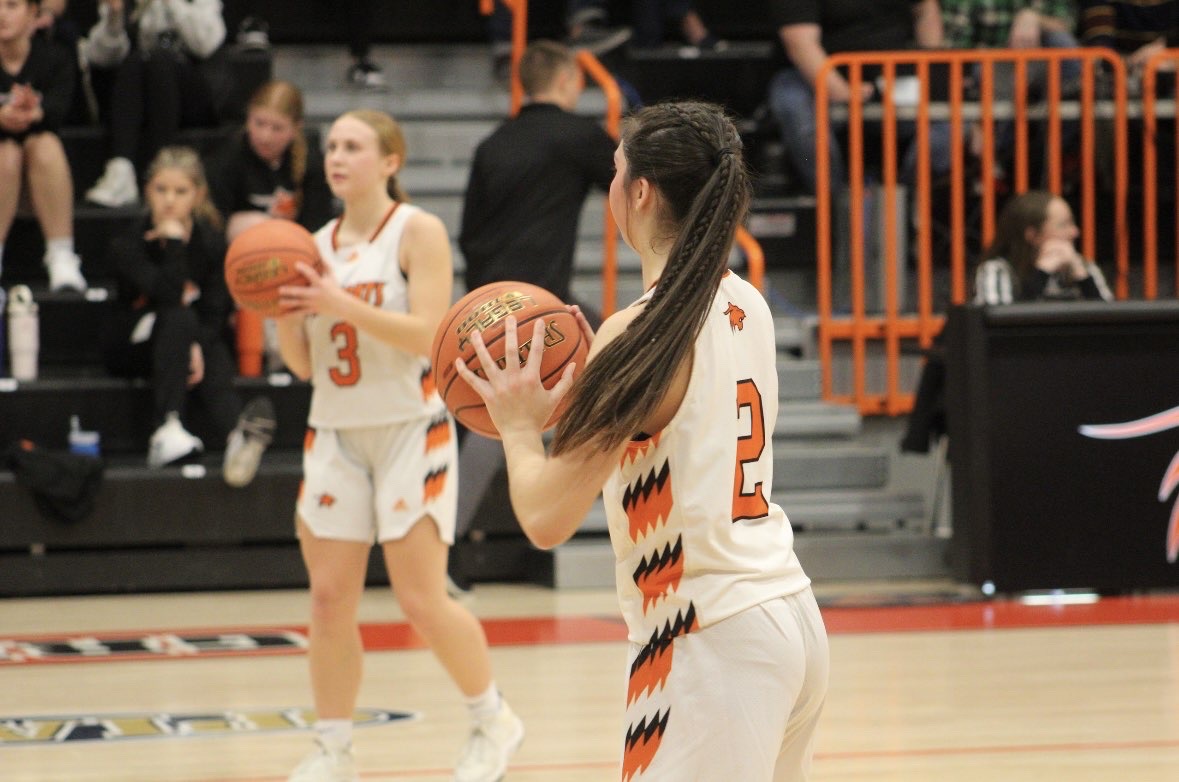
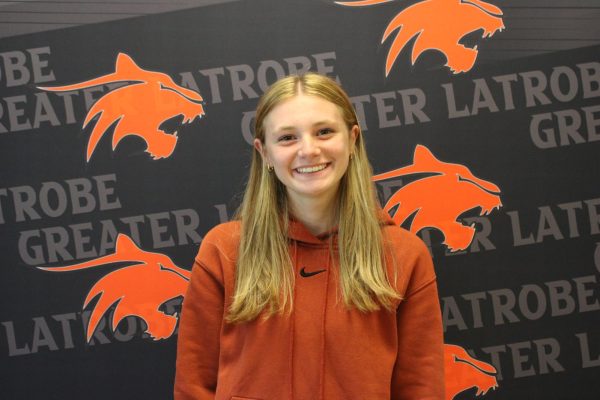
Many athletes sustain injuries during or before their season that affect their mental health and performance. Avery Peipock, a sophomore at Greater Latrobe, knows these struggles best. Avery faced several injuries during her years as a gymnast, a golfer, a pole vaulter, and a volleyball player.
She began gymnastics at the age of three. She then started golf five years later. She then started pole vaulting when she was in junior high, but completed a full season her freshman year.
Just before New Balance Nationals to compete as a pole vaulter, she suffered a tragic game-changer. She broke the tops of both her feet while practicing gymnastics. She mentions struggling mentally going into the meet. She says, “It was definitely a mental challenge to know I was against the best people in the country, and I wasn’t physically at my best going into the meet, so I obviously didn’t perform my best because I also had my issues with my back at the time.”
Avery did not have any particular way she tried dealing with the stress and pain. “I kind of just sucked it up and knew that I qualified. The meet was happening whether I liked it or not.”
She was not happy with how the meet went, but remembered how lucky she was to be attending and how great the opportunity was.
Avery also struggled with other injuries during other sports seasons. During gymnastics, when she was just 15, she fell from thirteen feet off the high bar and popped both of her knees straight back, and was believed to have partially torn her meniscus, which really messed up her knees. “It was a very mentally tough season with the skills I was doing, like competing at level nine and starting to train for level ten and college, because I think I started to get very mental and knew that what I was doing could get me hurt. I almost started to not trust my body with what I was doing, which made it not safe,” she said.
The season was so stressful and painful, she decided the best thing to do was to leave gymnastics behind. “During that season, I strained all the ligaments to my ankle, got shin splints once again from overuse with gymnastics and track, broke six toes, broke the tops of both my feet, bruised multiple ribs, stoved a bunch of fingers, and then had the stress fracture for my back and the degenerative disk disease and the wedge compression so it just wasn’t enjoyable when I was in that much pain.”
She joined volleyball after quitting gymnastics to try something new. “I decided to do volleyball after having to quit gymnastics because I almost broke my back.”
During the golf season, she found out about her back and could no longer play this season. She played two matches before finding out about her back and was already five strokes under her average from last year. “It kind of sucked to finally be figuring it out and then to have to stop again for months because I’m not allowed to play golf anymore. Also knowing that you can’t hit the golf ball as well as you could because you’re hurt, so I feel like I could do better, but I can’t.”
She was struggling mentally with the fact that she felt she could have had a great season if she hadn’t been hurt. “I’m doing this much better with almost breaking my back, and I could’ve been doing even better than that.”
Avery Peipock struggled with many things during her many sports, but her mental stamina was the hardest to deal with, and she is still struggling with it. She lost her routine with having to deal with her injuries and juggling three sports with that. “For me personally, the sports are definitely who I am.”
She says she started losing herself a bit and didn’t really know what to do with herself. “Doing all of these sports and then losing them, it kind of makes you lose yourself a bit, because then you have days where you’re just stuck sitting at home, and you don’t really know what to do. I also feel like I’ve lost a lot of my routines and sense of control.”
And then there is always the fear of falling behind. “If you’re hurt, it doesn’t really matter because you’re still training, because you miss a week in the gym, and you’re so far behind.” These things can also affect your confidence in yourself and the sport.
“You’re unable to train and join your teammates, which can feel a little bit isolating from the group. And then trying to balance recovery, school, and multiple sports is very stressful. It leads to burnout quickly, and you have to stay mentally strong whenever you can’t, because you’re slowly losing it. But everyone around you is fine, so you have to be fine.”
Avery also talked about her fears of coming back from these extreme injuries. She mentions being scared of losing her future opportunities. “Potential future college opportunities with coaches that watched me last year are going to watch this year, and I’m going to be a lot worse. It’s scary to lose a lot of opportunities.”
She also talked about how there is a possibility of getting hurt again. “I’m also definitely very scared of getting hurt again because I’ve been hurt for so long. I haven’t had a full track season where I wasn’t hurt. So getting hurt again and watching all of the progress kind of undo itself again is definitely something I’m scared of.” Avery is trying to look on the bright side this year and try her best in her situation. She knows she will struggle, but she can push through it and be on top again this season and in the seasons to come.